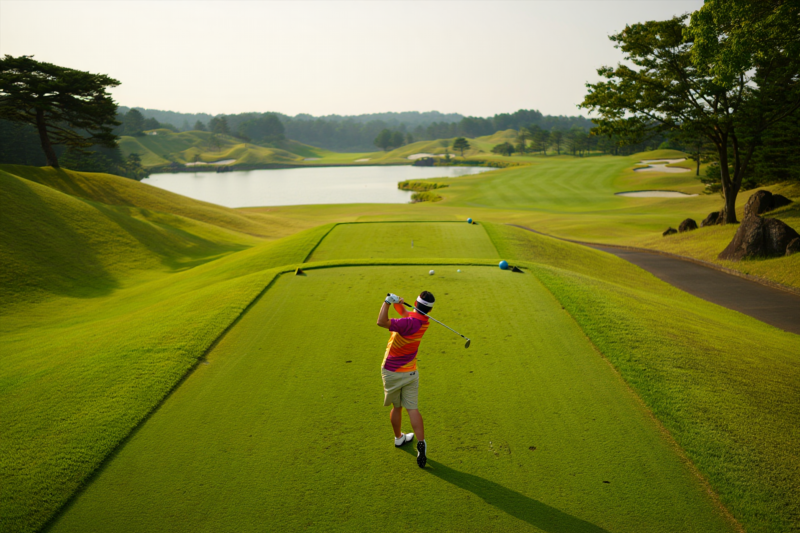
In the world of elite golf, the architecture of a course matters just as much as the mechanics of your swing or mental game mastery. A well-designed golf course not only challenges players’ skills but also offers a visual journey that captivates and inspires. At FairwayCore, we believe that strategic course planning—focused on flow, aesthetics, and playability—is key to creating memorable golf experiences. Today, we’ll explore innovative design techniques that enhance both the enjoyment and the visual appeal of golf courses, supported by expert insights and practical tips.
The Importance of Strategic Golf Course Design
Great golf course design balances challenge with enjoyment, leveraging strategic layout and natural landscape features. This not only elevates performance but also enriches the aesthetic experience for players and spectators alike.
Why Golf Course Flow and Layout Matter
- Seamless Play Experience: A smooth flow reduces unnecessary backtracking and enhances pacing, keeping players engaged and minimizing frustrations.
- Visual Connectivity: Strategic placement of greens, bunkers, and water features offers continual visual interest and a sense of harmony.
- Environmental Integration: Thoughtful design incorporates natural terrain, preserving local ecology while enhancing the scenery.
Key Point: An optimized course flow encourages strategic shot shaping and decision-making, making every round more engaging and rewarding.
Innovative Design Strategies to Enhance Play and Visual Appeal
1. Incorporating Natural Landforms and Topography
Understanding and utilizing existing landscape features allows for a more organic and sustainable design.
- Use of Elevation Changes: Elevate tees or greens to add challenge and scenic views.
- Natural Bunkering: Incorporate existing hills and contours for natural hazards.
- Water Integration: Lakes and streams serve as focal points and strategic obstacles.
*Expert Tip:* Conduct a detailed topographical analysis to identify natural contours that can be leveraged to create challenging yet aesthetically pleasing elements.
2. Creating Flow through Strategic Hole Placement
Flow is critical to maintain rhythm and immersion:
- Sequential Visual Cues: Design holes so that each leads naturally to the next with interesting vistas.
- Linking Terrain Features: Use landscape contours to guide the ball from tee to green smoothly.
- Flow Patterns: Favor routing that minimizes crossover and enhances spatial coherence.
*Pro Tip:* Use drone surveys during planning to visualize the course’s flow from a bird’s-eye view.
3. Balancing Challenge and Enjoyment
Design with a range of shot options that appeal to all skill levels:
- Diverse Hazards: Mix in strategic bunkers and water hazards.
- Variability: Alternate between wide fairways and tighter approach shots.
- Multiple Options: Create risk-reward scenarios that encourage strategic thinking.
4. Aesthetic Enhancements and Signature Features
Visual appeal boosts the social and emotional value of a course:
- Landmark Features: Towering trees, unique rock formations, or distinctive water bodies.
- Themed Zones: Separate areas with their own character—such as desert scapes or lush arboretums.
- Architectural Elements: Bridges, stone walls, and sculptures that complement the landscape.
Tip: Collaborate with landscape architects to ensure every design element aligns with overall visual and strategic goals.
Practical Tips for Course Architects and Designers
| Tip | Explanation |
| Embrace Environmental Sustainability | Use native plants and natural contours to reduce maintenance and preserve scenery. |
| Prioritize Player Journey | Design with the golfer’s experience in mind, ensuring a logical flow and visual rewards. |
| Conduct Playtesting | Gather feedback to refine flow, difficulty, and visual aesthetics before finalizing. |
| Use Technology | Leverage CAD and GIS tools for precise planning and visual simulations. |
Frequently Asked Questions (FAQs)
How does course flow improve player experience?
A well-planned flow minimizes unnecessary walking, maintains rhythm, and creates a cohesive journey, making the game more enjoyable and intuitive. It also offers continuous visual interest, preventing monotony.
Can aesthetics conflict with strategic challenge?
While balance is key, thoughtful design aligns visual appeal with gameplay. For example, placing hazards near scenic features creates a natural, integrated challenge that enhances both aesthetics and difficulty.
What role does environmental sustainability play?
Sustainable design preserves natural landscapes, reduces maintenance, and enhances visual harmony. It also demonstrates environmental responsibility, which is increasingly valued by players and course owners.
By integrating innovative strategic planning, natural landscape features, and aesthetic storytelling, modern golf course design transcends mere layout—creating immersive environments that elevate play and captivate the eye. Whether you’re developing a new course or renovating an existing one, adopting these expert strategies will ensure your project offers both challenge and beauty.
Discover how applying these advanced design techniques can transform your golf course into a legendary destination—where every shot is a work of art and every round an unforgettable experience.
Ready to take your golf course design to the next level? Contact FairwayCore today for expert insights, innovative solutions, and comprehensive planning assistance that combines strategic brilliance with aesthetic mastery.